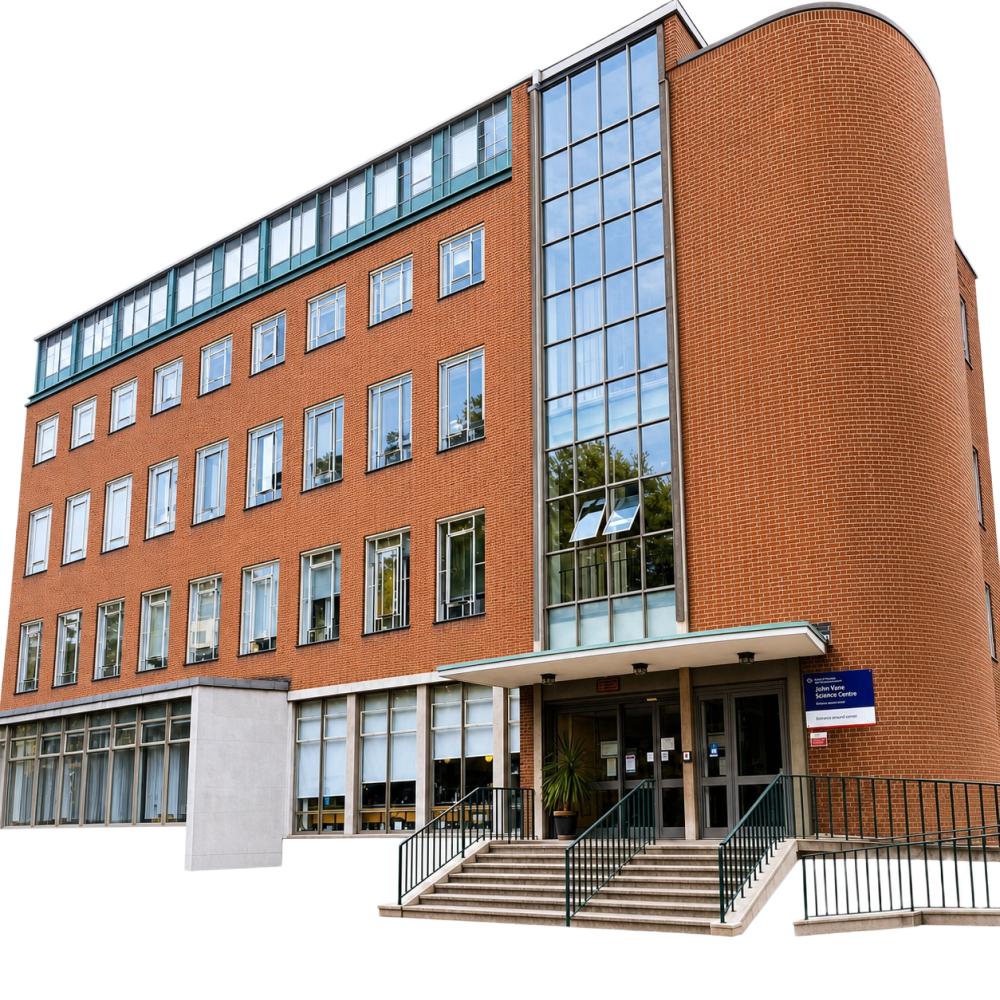
The Centre for Experimental Medicine & Rheumatology (EMR) within the Queen Mary University of London comprises an integrated, multidisciplinary research team of Clinicians, Scientists, Biostatisticians and Bioinformaticians led by Professor Costantino Pitzalis. EMR research aims to understand disease pathogenesis better to develop novel therapeutics and maximise the therapeutic utility of existing therapies for several autoimmune conditions, including rheumatoid arthritis. The Centre runs a strong basic science programme in the field of immunology & inflammation linked to a clinical translational programme in the following 4 research areas: (1) Breach of Tolerance and Autoimmunity, (2) Development and resolution of inflammation, (3) Mechanisms of Tissue Damage and Repair and (4) Developing new therapies through basic research (e.g. tissue-specific targeting) and clinical trials. EMR is leading the Musculoskeletal (MSK) science core theme of the recently designated NIHR Biomedical Research Centre (BRC) awarded to Barts Health NHS Trust in partnership with QMUL in 2023. The BRC aims to accelerate the delivery of precision healthcare from basic/discovery science to clinical practice.
QMUL – Queen Mary University of London
What is the role of QMUL in Autopix
Queen Mary University of London will contribute to the AutoPiX project by providing radiographs and ultrasound images of patients enrolled in precision medicine rheumatoid arthritis (RA) clinical trials. These unique cohorts provide matching imaging and synovial tissue samples, allowing us to explore the direct relationship between imaging and synovial (joint) inflammation. In addition, in collaboration with MUW, Queen Mary will contribute to the PIX-TISSUE 1 prospective study. In this study, patients with RA will undergo a new type of scan (called FAPI-PET/CT scan) and have a joint biopsy, allowing the comparison of images and tissue samples to assess if the new scan can improve how doctors diagnose and track the progression of arthritis.

Q&A
In what part of the patient journey will your institution most likely contribute?
- Queen Mary University of London (QMUL) will step in at a critical turning point in a patient's journey: when standard treatments are no longer working. Specifically, our focus is on patients who have not seen improvement after receiving anti-TNF therapy, a common first-line medication used to reduce inflammation.
- When a patient reaches this stage, we need to look much closer to understand exactly what is happening inside their body. To do this, we will guide these patients through two key procedures:
- Synovial Biopsy: We will take a tiny, safe sample of tissue directly from the lining of their affected joints. This allows us to study the disease at a microscopic level.
- FAPI-PET Scan: The patient will undergo a highly advanced medical scan that acts like a heat map, showing us exactly where the inflammation is most active in the body and how severe it is.
What long-term impacts do you envision for your contribution?
- Our main goal is to build a bridge between what we see under a microscope and what we see on a medical scan. By directly comparing the physical joint tissue samples (tissue pathology) with the detailed, full-body pictures from the FAPI-PET scans (molecular imaging), we can paint a much clearer and more accurate picture of how the disease operates.
- In the long term, we believe this research will fundamentally change how doctors measure disease activity. By understanding the specific biological pathways that drive the illness, we can move away from a "trial and error" approach to medicine. Instead, this knowledge will empower doctors to make smarter, more informed decisions about which treatments will be most effective for future patients.
Why is it so important?
- This work is incredibly important because every patient’s disease is unique, even if they share the same diagnosis. By deeply investigating the underlying biology—or “molecular pathology”—of the disease, we can finally uncover the root causes of why certain treatments fail while others succeed.
- Most importantly, gathering this detailed information will allow us to develop predictive models. This means that in the future, instead of waiting months to see if a medication works, doctors will have the tools to predict in advance which specific treatment is most likely to help a specific patient. It brings us one massive step closer to true precision medicine, which will save patients time, reduce their unnecessary suffering, and significantly improve their overall quality of life.
Contact

Prof Costantino Pitzalis
Centre Lead

Dr Felice Rivellese
Senior clinical lecturer

Dr Liliane Fossati-Jimack
Clinical & Research manager

Louise Warren
Clinical trial manager